

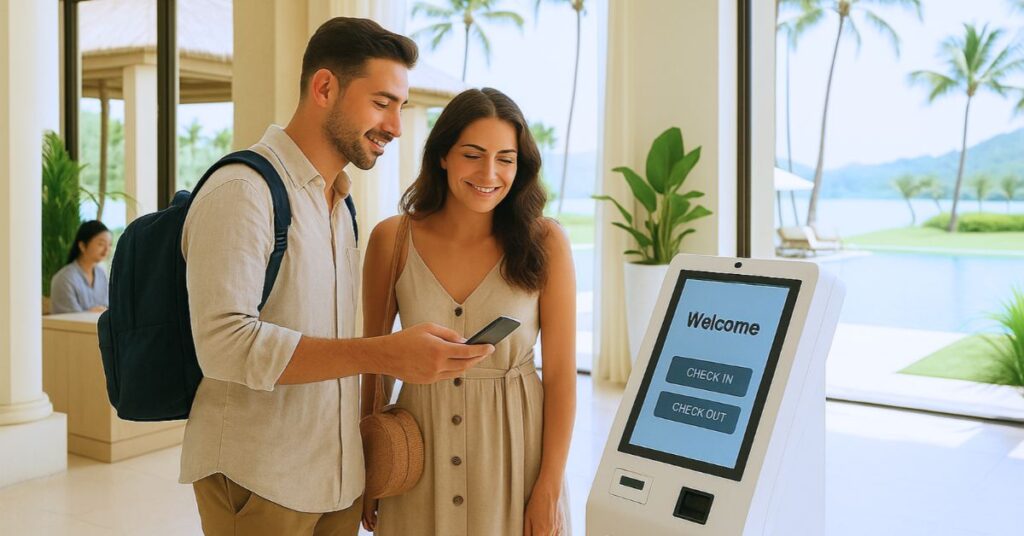
What Is Digital Check-in and Why Are European Hotels Using It?
For many hotels, check-in is still one of the most time-consuming parts of the guest journey. Guests arrive at the property, wait at reception, provide identification, complete registration forms, make payments, collect keys, and wait while staff finish the necessary steps.
Digital check-in changes this process.
Instead of completing everything at the front desk, guests can provide their information before arrival, complete registration digitally, verify their identity where required, make payments, and receive information about accessing their room.
For European hotels, digital check-in can also help create a more connected guest journey while supporting operational requirements such as guest registration, data protection, payments, and local regulations.
How Does Digital Check-in Work?
Although digital check-in systems vary, the process generally follows a similar sequence.
1. The Guest Makes a Reservation
The process normally starts when a guest books a room through the hotel’s website, booking engine, OTA, or another booking channel. The reservation is stored in the hotel’s property management system (PMS). The PMS becomes the central source of reservation and guest information.
For example, a reservation may contain:
- Guest name
- Arrival and departure dates
- Room type
- Number of guests
- Contact information
- Booking source
- Rate Payment information
- Special requests
Once the reservation is confirmed, the hotel can trigger pre-arrival communication.
2. The Hotel Sends a Digital Check-in Invitation
Before arrival, the hotel sends the guest an email or message containing a link to the digital check-in process.
For example:
Your stay is coming up. Complete your digital check-in before arrival.
The guest clicks the link and accesses a mobile-friendly check-in page. Depending on the hotel’s setup, this communication may be sent automatically by the PMS or guest communication system.
This is important because the guest can complete many administrative steps before reaching the hotel.
3. The Guest Enters or Confirms
Their Information The guest is asked to review and provide the required information. This can include:
- Full name
- Address
- Date of birth
- Contact details
- Number of guests
- Arrival information
- Other information required for the stay
If the hotel already has some information from the reservation, the system can pre-fill relevant fields. This reduces repetitive data entry for both guests and hotel staff.
4. ID Verification and Guest Registration
In some European destinations, hotels have legal obligations concerning guest registration and identification. Digital check-in can allow guests to provide the required identification information electronically.
Depending on the country and hotel and technology provider, this can involve:
- Uploading an ID document
- Scanning an identity document
- Entering identification details
- Taking a verification photo
- Completing an electronic registration form
The exact requirements are country-specific.
Hotels should therefore configure their digital check-in process according to applicable local requirements rather than assuming that one process works throughout Europe.
5. The Guest Completes Payment
Digital check-in can also be connected to the hotel’s payment system. Depending on the reservation and hotel policy, guests may be able to:
- Pay the remaining balance
- Provide a card for incidentals
- Pay additional services
- Confirm payment details
- Complete a deposit or pre-authorization
A connected payment system can reduce the amount of payment processing required at reception. For hotels, this can also create a smoother connection between reservations, payments and check-in.
6. The Guest Receives Arrival Instructions
Once the required steps are completed, the hotel can send the guest relevant arrival information. This might include:
- Hotel address
- Parking information
- Arrival instructions
- Reception opening hours
- Wi-Fi information
- Building access instructions
- Room information
- Contact details
- Check-in instructions
If the hotel operates outside traditional reception hours, digital arrival instructions can be particularly useful.
7. Room Access Is Provided
This is where digital check-in can become part of a broader digital guest journey.
Depending on the hotel’s technology, guests may receive:
- Mobile key: Guests use a smartphone to unlock the room.
- PIN or access code: The hotel provides a temporary code for a smart lock.
- Key pickup: The guest completes digital check-in but collects a physical key or key card from reception.
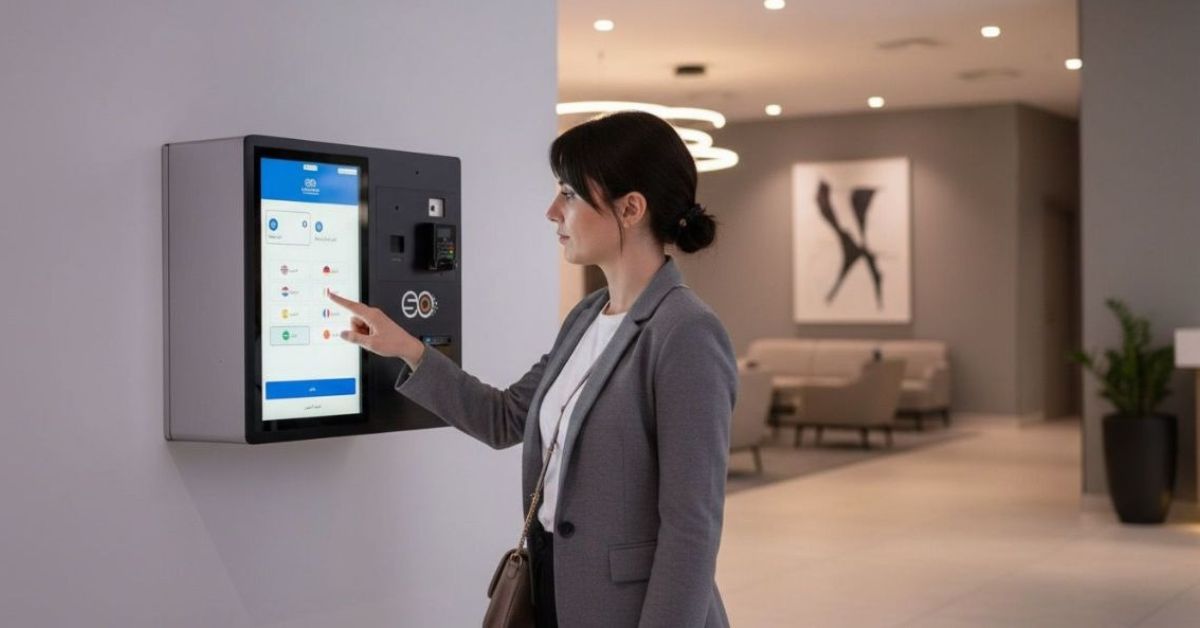
- Self-service kiosk: The guest completes the remaining arrival steps at a self check-in kiosk and receives a key card or digital PINs.
The technology used depends on the hotel’s existing door-lock and access-control system.
What Happens After Digital Check-in?
Once a guest has completed check-in, the information can flow into other hotel systems.
For example:
Guest completes digital check-in → PMS updates reservation → payment is processed → room status is confirmed → access is provided → guest receives arrival information
This creates a more connected process than manually entering information into multiple systems.
Hotel staff can then focus more on guest requests, service, problem-solving and other activities that require human interaction.
Why Are European Hotels Adopting Digital Check-in?
Hotels across Europe operate in different regulatory, technological and cultural environments. However, several operational factors are encouraging greater use of digital guest journeys.
1. Guests Expect More Flexible Experiences
Many travelers are already comfortable using smartphones for:
- Online bookings
- Digital payments
- Travel documents
- Boarding passes
- Messaging
- Mobile services
Digital hotel check-in extends this behavior into the hotel stay. Guests can complete relevant steps using their own device instead of waiting to complete everything at reception.
2. Hotels Want to Reduce Reception Work
Reception teams often spend significant amounts of time on repetitive administrative tasks.
For example:
- Entering guest information
- Checking reservations
- Processing payments
- Preparing registration documents
- Explaining arrival procedures
- Handling key collection
Automating some of these steps can reduce repetitive work. The goal isn’t necessarily to eliminate reception. The goal is to allow hotel employees to spend less time on routine administration and more time helping guests.
3. Digital Check-in Can Reduce Waiting
A guest who has already completed registration and payment before arrival may need only a short interaction at reception.
In hotels with compatible access technology, the guest may be able to proceed directly to the room. This can be especially useful during busy arrival periods.
4. It Supports 24/7 Arrival Models
Hotels with limited reception hours can use digital processes to support guests arriving outside traditional reception times.
Combined with:
- Smart locks
- Mobile keys
- Access codes
- Automated guest communication
Digital check-in can help hotels create a more flexible arrival process.
What Are the Benefits of Digital Check-in for Hotels?
A well-designed digital check-in process can provide several operational benefits.
- Faster arrival: Guests can complete administrative steps before reaching reception.
- Less repetitive work: Staff spend less time manually entering guest information.
- Fewer queues: More guests can complete routine check-in tasks independently.
- Better guest communication: Hotels can send arrival information automatically.
- More flexible arrivals: Digital workflows can support guests arriving outside traditional reception hours.
- Connected hotel operations: Check-in can connect with PMS, payments, housekeeping, guest communication and access-control systems.
- Better use of staff time: Reception employees can spend more time on service rather than repetitive administration.
What Does a Digital Guest Journey Look Like?
Digital check-in is only one part of the modern hotel guest journey. A complete digital journey can look like this:
- Booking: Guest books directly or through an OTA.
- Confirmation: Reservation confirmation is sent automatically.
- Pre-arrival communication: The hotel sends useful information before arrival.
- Digital check-in: Guest completes registration and other required steps.
- Payment: Payment or deposit is completed digitally.
- Room preparation: Housekeeping updates room status.
- Digital access: Guest receives a mobile key, PIN or other access method.
- Stay: Guest receives relevant information and can communicate with the hotel digitally.
- Check-out: Guest completes digital check-out and receives the invoice or receipt.
- Post-stay communication: The hotel can request feedback and continue the guest relationship.
This is why digital check-in is best understood as part of a digital guest journey, rather than as a standalone replacement for the reception desk.
How HOS Booking Supports the Digital Guest Journey
A modern hotel technology stack works best when the systems involved in the guest journey are connected.
HOS Booking brings digital check-in, PMS, guest communication, payments, housekeeping and smart-lock integrations together in one platform. This allows hotels to connect pre-arrival communication, guest registration, room preparation and access within one digital guest journey.
This allows hotels to connect more of the guest journey within one platform instead of managing disconnected processes across multiple systems.
For hotels looking to reduce manual check-in work and create a more connected arrival experience, digital check-in can be an important step toward a more efficient digital guest journey.
