

Hotel Functions Every Modern Property Must Automate
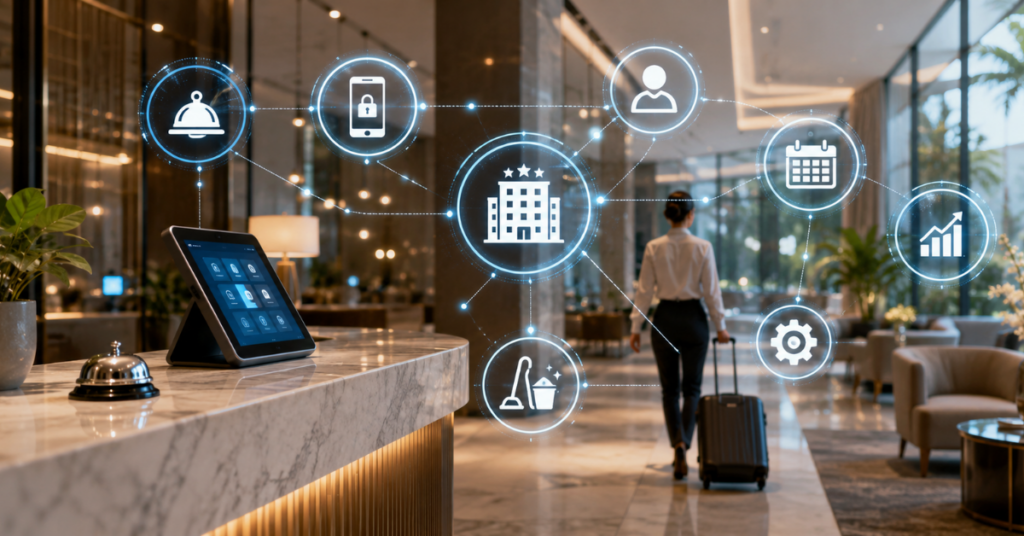
Running a modern hotel today is less about manual coordination and more about smart systems working behind the scenes. Guests expect speed, personalization, and frictionless service, while hotel teams need efficiency and accuracy across every department. This is where automation through hotel management software becomes essential.
Whether you’re using a full HOS Booking system HOS Booking or another platform, the goal is the same: reduce manual work, improve guest experience, and increase revenue.
7 Most Important Functions Every Hotel Should Automate Right Now.
1. Booking Management
At the core of every hotel operation lies hotel booking management, and it’s one of the first areas that should be automated. Manual booking handling often leads to overbookings, pricing errors, and missed revenue opportunities.
Automation ensures that every reservation is processed in real time, across all channels.
Key automation points:
- Real-time room availability updates across all platforms
- Automatic pricing adjustments based on demand and occupancy
- Instant confirmation emails and booking receipts
- Integration with payment gateways for secure transactions
- Reduction of double-booking risks through synced systems
With automated booking management, hotels can maximize occupancy while reducing administrative workload. It also sets the foundation for smoother operations across all departments.
2. Self Check-in Kiosk
The modern guest values speed and independence, which makes the hotel self-check-in kiosk one of the most impactful innovations in hospitality. Instead of waiting in line at the front desk, guests can check in within minutes using a kiosk or mobile interface.
Benefits and automation features:
- Digital identity verification and ID scanning
- Automated room assignment based on preferences or availability
- Key card issuance or mobile key generation
- Upselling options during check-in (room upgrades, breakfast packages)
- Reduced front desk congestion during peak hours
Self check-in systems also help hotels operate efficiently with fewer staff at the front desk, especially during late-night or high-volume check-in periods.
3. Guest Communication
Effective automated guest communication is essential for delivering a seamless guest experience before, during, and after their stay. Guests now expect instant responses, not delayed email replies.
Automation tools ensure communication is timely, consistent, and personalized.
Key features include:
- Pre-arrival messages with check-in details and hotel policies
- Automated welcome messages upon check-in
- Real-time chatbots for common guest queries
- Automated notifications for housekeeping updates or maintenance
- Post-stay feedback requests and review prompts
When communication is automated, hotels can still maintain a personal touch while significantly reducing workload on the front desk and concierge teams.
4. Front Office Automation
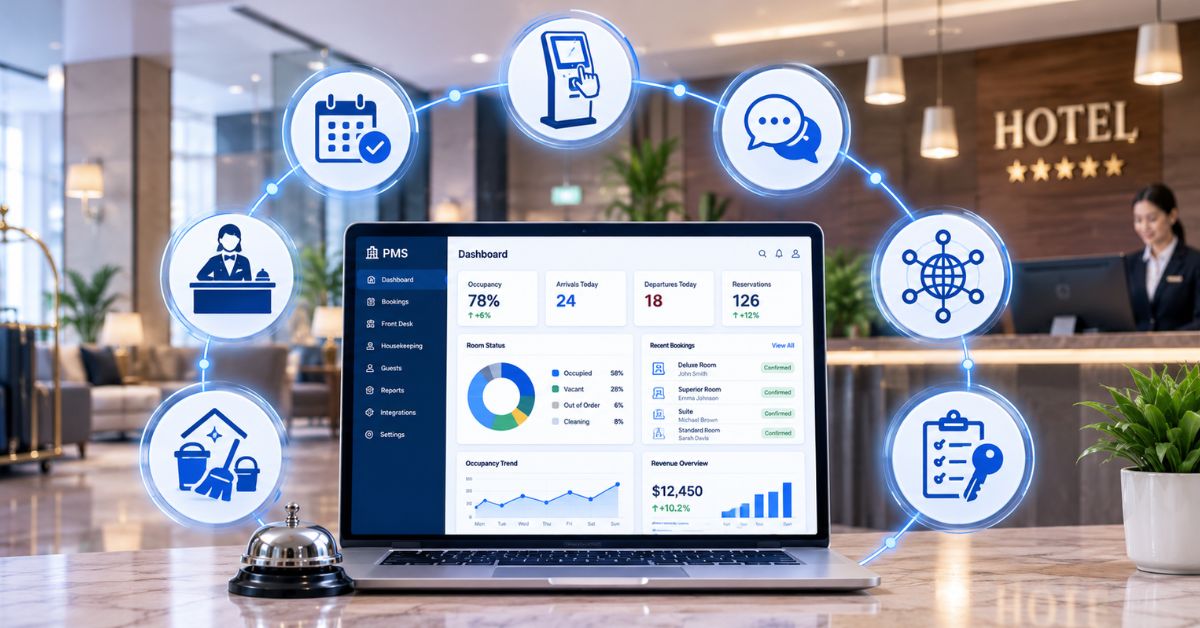
The front office is the operational heartbeat of any hotel, and automation here directly improves guest satisfaction and staff efficiency. With modern hotel management software, front office teams can focus more on hospitality rather than repetitive tasks.
What can be automated:
- Room assignment based on availability and guest preferences
- Billing and invoice generation
- Check-in/check-out record management
- ID verification and guest profiling
- Payment tracking and deposit handling
Front office automation also reduces human error in documentation and ensures that all guest data is synchronized across departments. This creates a smoother experience for both staff and guests.
5. Channel Management
Hotels today rely on multiple booking platforms like OTAs, direct websites, and travel agents. Without automation, managing all these channels becomes extremely complex. A hotel channel management system ensures that all listings stay synchronized in real time.
Key advantages:
- Centralized control of room inventory across all platforms
- Real-time rate updates across OTAs and direct booking channels
- Prevention of overbooking and inventory mismatch
- Performance tracking for each channel
- Automated distribution of promotions and discounts
Channel management ensures maximum visibility while maintaining consistency in pricing and availability across all booking platforms.
6. Housekeeping Management
Efficient housekeeping management directly impacts guest satisfaction. Cleanliness is one of the most reviewed aspects of any hotel, and automation helps ensure nothing is missed. Automated housekeeping systems streamline task allocation and room status tracking.
Key automation features:
- Real-time room status updates (clean, dirty, in progress)
- Automatic task assignment to housekeeping staff
- Mobile apps for reporting maintenance issues
- Priority-based cleaning schedules for VIP or early check-ins
- Inventory tracking for cleaning supplies
With automation, housekeeping teams can respond faster, reduce delays in room readiness, and improve overall operational efficiency.
7. Reservation Management
While booking management focuses on incoming reservations, reservation management ensures that every guest booking is tracked, modified, and fulfilled correctly throughout the guest journey. A strong reservation system is critical for avoiding errors and improving guest satisfaction.
Automation benefits include:
- Centralized dashboard for all reservations
- Easy modification or cancellation processing
- Automated waitlist management for fully booked dates
- Guest preference tracking for repeat visitors
- Integration with CRM systems for personalized service
Reservation automation also helps hotels better forecast demand, manage staffing, and optimize pricing strategies.
Final Thoughts
Automation is no longer optional in the hospitality industry; it is the foundation of competitive hotel operations. From hotel booking management to housekeeping management, every department benefits from streamlined workflows and reduced manual intervention.
Platforms like HOS Booking demonstrate how integrated systems can unify operations under one dashboard, improving both efficiency and guest satisfaction.
Hotels that invest in automation today are not just improving operations; they are building a future-ready hospitality experience that meets the expectations of modern travelers.
